
Lessons from African Kingdoms: Nubia, Mali, and Benin
- Nov 15, 2024
- 3 min read
Africa’s kingdoms hold incredible stories of innovation, resilience, and cultural richness. The kingdoms of Nubia, Mali, and Benin shaped history with their unique contributions to governance, trade, art, and spirituality. By exploring the lessons from these ancient civilizations, we can uncover timeless wisdom for navigating today’s world.
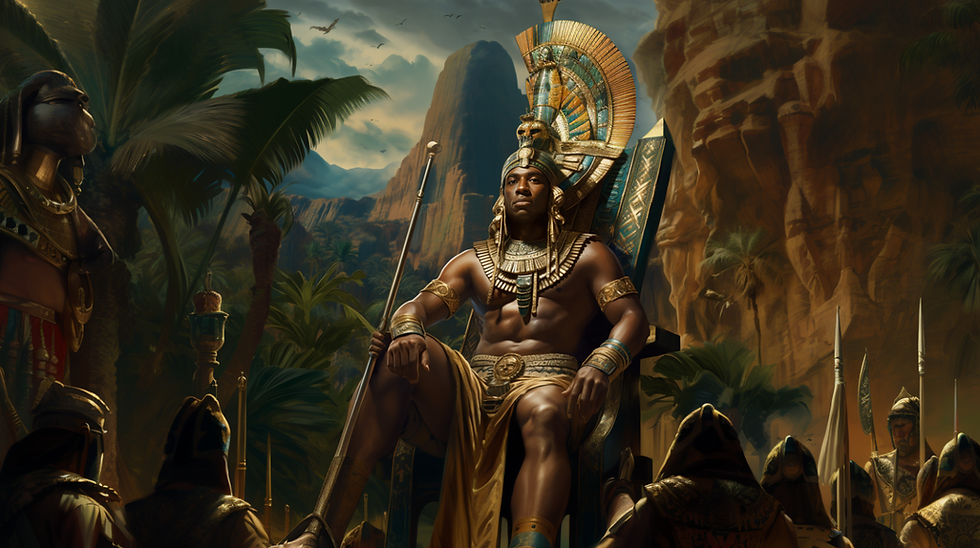
1. The Kingdom of Nubia: A Legacy of Resilience and Adaptation
Nubia, located along the Nile in present-day Sudan, thrived as a powerful kingdom for thousands of years. Known for its advanced architecture, metallurgy, and trade, Nubia maintained its independence while interacting with Egypt, Assyria, and Rome.
Key Lessons:
Adaptability: Nubians excelled at adapting to challenging environments, developing advanced irrigation systems to sustain agriculture in arid climates.
Modern Insight: Adaptability is essential for thriving in changing conditions, whether in personal challenges or global shifts.
Cultural Preservation: Despite external influences, Nubia maintained its language, religion, and art, demonstrating the importance of cultural identity.
Application: Embrace and preserve your cultural heritage while navigating a globalized world.
2. The Mali Empire: Wealth, Knowledge, and Ethical Leadership
At its height in the 13th to 16th centuries, the Mali Empire was one of the wealthiest civilizations in history. Renowned for its trade routes, universities, and the legendary wealth of Mansa Musa, Mali became a hub of intellectual and economic prosperity.
Key Lessons:
Wealth as a Tool for Growth: Mansa Musa used his immense wealth to build schools, libraries, and mosques, prioritizing education and cultural development.
Modern Insight: Wealth should be a tool for community growth and self-improvement, not just personal gain.
Knowledge as Power: The city of Timbuktu became a beacon of scholarship, housing thousands of manuscripts on science, astronomy, and law.
Application: Invest in education and the preservation of knowledge to ensure personal and communal progress.
Ethical Leadership: Mansa Musa’s pilgrimage to Mecca highlighted humility and generosity, setting an example for ethical governance.
Modern Insight: Leadership should balance ambition with responsibility and service to others.
3. The Kingdom of Benin: Excellence in Art and Governance
The Benin Kingdom, located in modern-day Nigeria, was renowned for its sophisticated governance system and breathtaking bronze art. The Oba (king) led a highly organized society, and its artisans produced some of the world’s most intricate sculptures and carvings.
Key Lessons:
Art as a Reflection of Society: Benin bronzes depict historical events, mythology, and the kingdom's structure, serving as both art and documentation.
Modern Insight: Use creativity to express and preserve personal or cultural narratives.
Efficient Governance: The kingdom was structured with a balance of power between the Oba, chiefs, and village heads, ensuring stability and order.
Application: Build systems of governance or leadership that emphasize balance and collaboration.
Cultural Pride: Despite colonial looting, Benin’s artistic legacy remains a source of pride, showcasing the importance of cultural preservation.
Modern Insight: Protect and celebrate your heritage as a source of identity and strength.
4. Shared Lessons Across the Kingdoms
While each kingdom was unique, their shared values offer universal lessons:
Resilience and Adaptation: Overcoming challenges with innovation and determination.
The Power of Knowledge: Prioritizing education and intellectual pursuits for societal growth.
Leadership with Integrity: Balancing ambition with service to others.
Cultural Identity: Preserving and celebrating one’s heritage amidst external influences.
Conclusion: Honoring Africa’s Legacy in Modern Life
The stories of Nubia, Mali, and Benin remind us of Africa’s profound contributions to human civilization. By studying these kingdoms, we can draw inspiration to foster resilience, ethical leadership, and cultural pride in our own lives. These ancient lessons not only honor the past but also provide a roadmap for building a better future.
4o


Comments